
Hi everyone,
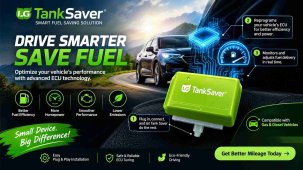
I've been looking into ways to manage fuel expenses, especially with everyday driving becoming costly. Recently, I came across Tank Saver, a plug-and-play device that connects to a vehicle's OBD-II port and is marketed for fuel efficiency and engine performance.
I'm curious about how these devices actually work and whether their advertised benefits can be verified in real-world driving conditions. I think it's important to consider vehicle compatibility, manufacturer information, and independent evidence before spending money on any fuel-saving product.
For those who have researched OBD-II fuel-saving devices, what has your experience been? Have you noticed measurable changes in fuel consumption, or do you prefer traditional methods such as regular servicing, maintaining tire pressure, and driving smoothly?
https://lgtanksaver.com/
Visit us
I've been looking into ways to manage fuel expenses, especially with everyday driving becoming costly. Recently, I came across Tank Saver, a plug-and-play device that connects to a vehicle's OBD-II port and is marketed for fuel efficiency and engine performance.
I'm curious about how these devices actually work and whether their advertised benefits can be verified in real-world driving conditions. I think it's important to consider vehicle compatibility, manufacturer information, and independent evidence before spending money on any fuel-saving product.
For those who have researched OBD-II fuel-saving devices, what has your experience been? Have you noticed measurable changes in fuel consumption, or do you prefer traditional methods such as regular servicing, maintaining tire pressure, and driving smoothly?
https://lgtanksaver.com/
Visit us