
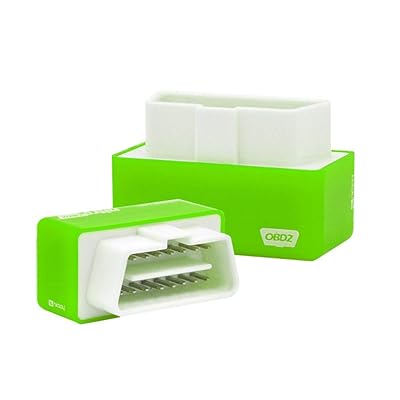
Tested five fuel-saving devices at Chrysler's Chelsea proving ground using a calibrated ScanGauge II OBD2 reader. Tested in both a Mazda 3 and a Jeep Grand Cherokee at 35 and 70 mph under controlled conditions. Result: zero measurable improvement in fuel economy from any device.
The Placebo Effect Explanation
Any perceived fuel improvement after purchasing one of these devices is almost certainly behavioral, not mechanical. Buyers who invest - even $30 - in a "fuel saver" become more conscious of their driving and naturally drive more carefully. It is the changed behavior saving fuel, not the device. This is a well-documented phenomenon in consumer product research.
Why Modern Cars Leave No Room
Automotive manufacturers spend billions of dollars engineering ECUs for peak efficiency across an enormous range of real-world conditions. While manufacturers do calibrate engines conservatively to accommodate varied fuel quality, altitude, and temperature extremes, a generic $30 dongle with no knowledge of your specific vehicle, fuel, or driving environment cannot meaningfully improve on that investment. The engineering headroom simply does not exist at this price point.
Scam Tactics
The Marketing Playbook: How These Scams Hook Buyers
These are not crude, obvious scams. They are sophisticated marketing operations that deploy proven psychological tactics. Recognizing the playbook is the first line of defense.
Exploit Real Pain
Campaigns launch strategically during periods of high fuel prices, framing the device as an urgent, affordable solution to a problem that is genuinely affecting household budgets. The pain is real - the solution is not.
Discover the Current Offer – Visit the Official Website
Create Artificial Urgency
"Limited stock," "selling out fast in retail stores," and countdown timers are deployed specifically to prevent buyers from pausing to research. Scam campaigns explicitly state that the dongles are "only available online" due to supposed retail sellout — a fabricated scarcity signal.
Ready to Order? Check Availability on the Official Website
The Placebo Effect Explanation
Any perceived fuel improvement after purchasing one of these devices is almost certainly behavioral, not mechanical. Buyers who invest - even $30 - in a "fuel saver" become more conscious of their driving and naturally drive more carefully. It is the changed behavior saving fuel, not the device. This is a well-documented phenomenon in consumer product research.
Why Modern Cars Leave No Room
Automotive manufacturers spend billions of dollars engineering ECUs for peak efficiency across an enormous range of real-world conditions. While manufacturers do calibrate engines conservatively to accommodate varied fuel quality, altitude, and temperature extremes, a generic $30 dongle with no knowledge of your specific vehicle, fuel, or driving environment cannot meaningfully improve on that investment. The engineering headroom simply does not exist at this price point.
Scam Tactics
The Marketing Playbook: How These Scams Hook Buyers
These are not crude, obvious scams. They are sophisticated marketing operations that deploy proven psychological tactics. Recognizing the playbook is the first line of defense.
Exploit Real Pain
Campaigns launch strategically during periods of high fuel prices, framing the device as an urgent, affordable solution to a problem that is genuinely affecting household budgets. The pain is real - the solution is not.
Discover the Current Offer – Visit the Official Website
Create Artificial Urgency
"Limited stock," "selling out fast in retail stores," and countdown timers are deployed specifically to prevent buyers from pausing to research. Scam campaigns explicitly state that the dongles are "only available online" due to supposed retail sellout — a fabricated scarcity signal.